Commercial Pet Waste Stations: A 2026 Guide for HOAs and Properties
Commercial pet waste stations have become essential infrastructure for apartment complexes, HOAs, dog parks, and business campuses that welcome pets. When dozens of dogs share common grounds, uncollected waste quickly turns into a health hazard, an odor complaint, and a landscaping expense. Well-placed commercial pet waste stations solve all three by making the right behavior easy: bags on hand, a bin nearby, and clear signage. This 2026 guide covers everything property managers need to plan, place, and maintain effective waste stations.
Whether you self-manage or partner with reliable local experts, the right setup keeps shared spaces clean, compliant, and resident-friendly.
Why Commercial Pet Waste Stations Matter
Shared grounds concentrate waste from many pets. Without convenient stations, residents skip cleanup, and the grounds suffer. Waste burns turf, breeds flies, generates odor complaints, and spreads parasites across playgrounds and walking paths. Stations reduce all of this by removing every excuse: the bag and bin are right there. They also signal that a property takes cleanliness and community health seriously, which supports resident satisfaction and property value.
The Business Case
- Lower landscaping and turf-repair costs.
- Fewer odor and sanitation complaints.
- Reduced parasite risk in shared common areas.
- Higher resident satisfaction and cleaner curb appeal.
What Makes an Effective Pet Waste Station?
A good station has three parts working together: a bag dispenser, a lidded waste receptacle, and visible signage. Placement and maintenance matter as much as the hardware. A station nobody can find, or one that is always empty, does nothing.
Core Components
- Bag dispenser stocked with durable, easy-tear bags residents will actually use.
- Lidded receptacle that contains odor and keeps pests out.
- Clear signage reminding owners to clean up, ideally with a friendly tone.
- Regular servicing to restock bags and empty the bin.
Placement Strategy for Maximum Use
Stations work only where dogs go. Place them along popular walking routes, near entrances and exits, at building corners, and adjacent to grassy relief areas. On larger properties, distribute multiple stations so no resident is more than a short walk from one. High-visibility placement near intersections of paths dramatically increases compliance.
| Property Type | Suggested Stations | Key Placement |
|---|---|---|
| Small apartment complex | 2–4 | Entrances, relief areas |
| Large HOA community | 6–12+ | Path intersections, parks |
| Dog park | 3–6 | Gates, high-traffic corners |
| Business campus | 2–5 | Green spaces, walkways |
Maintenance and Cleanup Tools
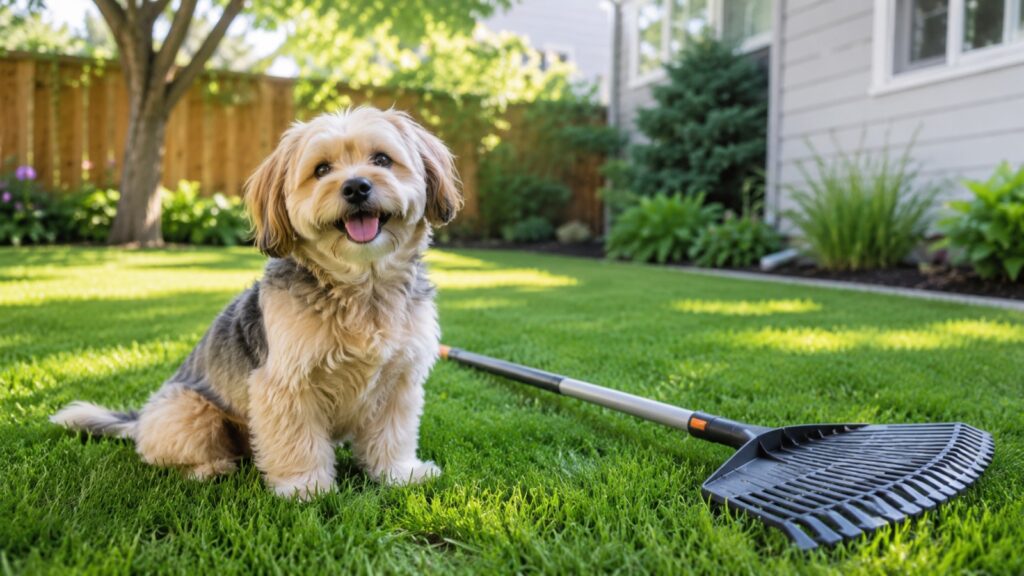
Stations reduce loose waste, but grounds still need periodic professional cleanup, especially in high-traffic zones. Maintenance crews work faster with the right gear. A long-handled Pooper Scooper nearby lets staff clear common areas quickly without bending, and stocking dispensers and crews with heavy Dog duty Bags ensures pickups seal cleanly without tearing. Reliable equipment keeps servicing efficient and grounds consistently clean.
A Simple Maintenance Schedule
- Restock bag dispensers weekly, more often in busy communities.
- Empty receptacles on the trash-collection schedule to prevent overflow.
- Do a full grounds sweep of missed waste weekly or biweekly.
- Inspect and clean stations monthly for damage and odor buildup.
Compliance and Community Health
Many municipalities require pet-waste management on multi-unit properties, and clear cleanup expectations reduce liability. The U.S. Environmental Protection Agency classifies pet waste as a source of nutrient pollution in runoff, so proper stations and disposal also support local water-quality goals. A well-run station program protects residents, grounds, and the surrounding environment at once.
Signage and Resident Communication
Even the best-placed station underperforms without clear communication. Signage should be friendly rather than scolding, since a positive tone earns better compliance than threats of fines. Pair station signage with a broader communication effort: a welcome-packet note for new pet-owning residents, occasional reminders in the community newsletter, and a clear line in the lease or HOA rules about cleanup expectations.
Some communities run gentle awareness campaigns, highlighting how much cleaner the grounds are when everyone participates. Framing cleanup as a shared benefit, cleaner playgrounds, healthier pets, better curb appeal, tends to work better than framing it purely as a rule to obey. When residents understand the “why,” they cooperate more willingly and consistently.
Measuring Whether Your Program Works
- Track complaint volume before and after installing stations.
- Monitor bag usage rates to confirm stations are actually used.
- Note landscaping and turf-repair costs year over year.
- Survey residents about grounds cleanliness satisfaction.
These simple metrics show whether your investment is paying off and where to adjust. If one station empties quickly while another is untouched, relocate the underused one to a busier route. Treating the program as something to refine over time, rather than install and forget, keeps grounds consistently clean and residents consistently happy across the whole property.
Budgeting for a station program is straightforward once you account for the full picture. Beyond the upfront hardware, plan for ongoing bag restocking and either staff time or a service contract for emptying and grounds sweeps. Many managers find the total cost is far lower than the recurring expense of turf repair, odor mitigation, and complaint handling that neglected grounds generate. Framed that way, a well-maintained station program is a cost-saver, not a cost-center, and it steadily improves the property’s reputation among current and prospective pet-owning residents.
Frequently Asked Questions
How many commercial pet waste stations does a property need?
It depends on size and dog traffic. Small complexes may need two to four, while large HOAs often need six to twelve or more, placed so no resident is far from one along common routes.
Where should pet waste stations be placed?
Near entrances, along popular walking paths, at path intersections, and beside grassy relief areas. High-visibility, convenient placement is the biggest driver of resident compliance.
Who maintains commercial pet waste stations?
Property staff or a contracted service restock bags and empty receptacles on a set schedule. Regular servicing and periodic grounds sweeps keep stations effective and odor-free.
Do pet waste stations really reduce mess on shared grounds?
Yes. By putting bags and bins within easy reach and adding clear signage, stations remove the main excuses for skipping cleanup, sharply reducing loose waste in common areas.
Conclusion
Commercial pet waste stations are a small investment that pays off in cleaner grounds, healthier residents, lower landscaping costs, and better community satisfaction. Choose durable dispensers and receptacles, place them strategically, keep them stocked, and back them with regular professional cleanup using quality tools. Put a solid station program in place in 2026 and your property will stay clean, compliant, and welcoming for pet owners and everyone else who shares the space.