Solar Installation in Lahore: A 2026 Homeowner’s Step-by-Step Guide
Solar installation in Lahore has moved from a luxury to a practical upgrade in 2026. The city’s long, bright summers deliver strong sunshine, while rising tariffs and frequent load-shedding push families toward self-generation. A well-planned rooftop system now cuts bills sharply and keeps fans, lights, and refrigerators running through outages.
Yet a smooth installation depends on doing things in the right order. This guide walks you through the full journey, from the first site survey to the final net-metering approval, so your Lahore home switches to clean power without surprises.
Why solar installation in Lahore pays off in 2026
Lahore receives roughly 5 kilowatt-hours of solar energy per square metre each day, with especially strong output from March to October. That generous resource means a modest rooftop array can offset a large share of a typical home’s consumption.
The economics are compelling. According to the World Bank, scaling up rooftop solar across Pakistan could save consumers billions while easing pressure on the national grid. For an individual household, that translates to a payback period of three to five years, followed by decades of low-cost power.
The load-shedding advantage
Grid supply in Lahore still dips during peak summer. A hybrid system with battery storage keeps essential circuits alive when the grid fails, so your evenings stay comfortable while neighbours reach for generators.
The solar installation process, step by step
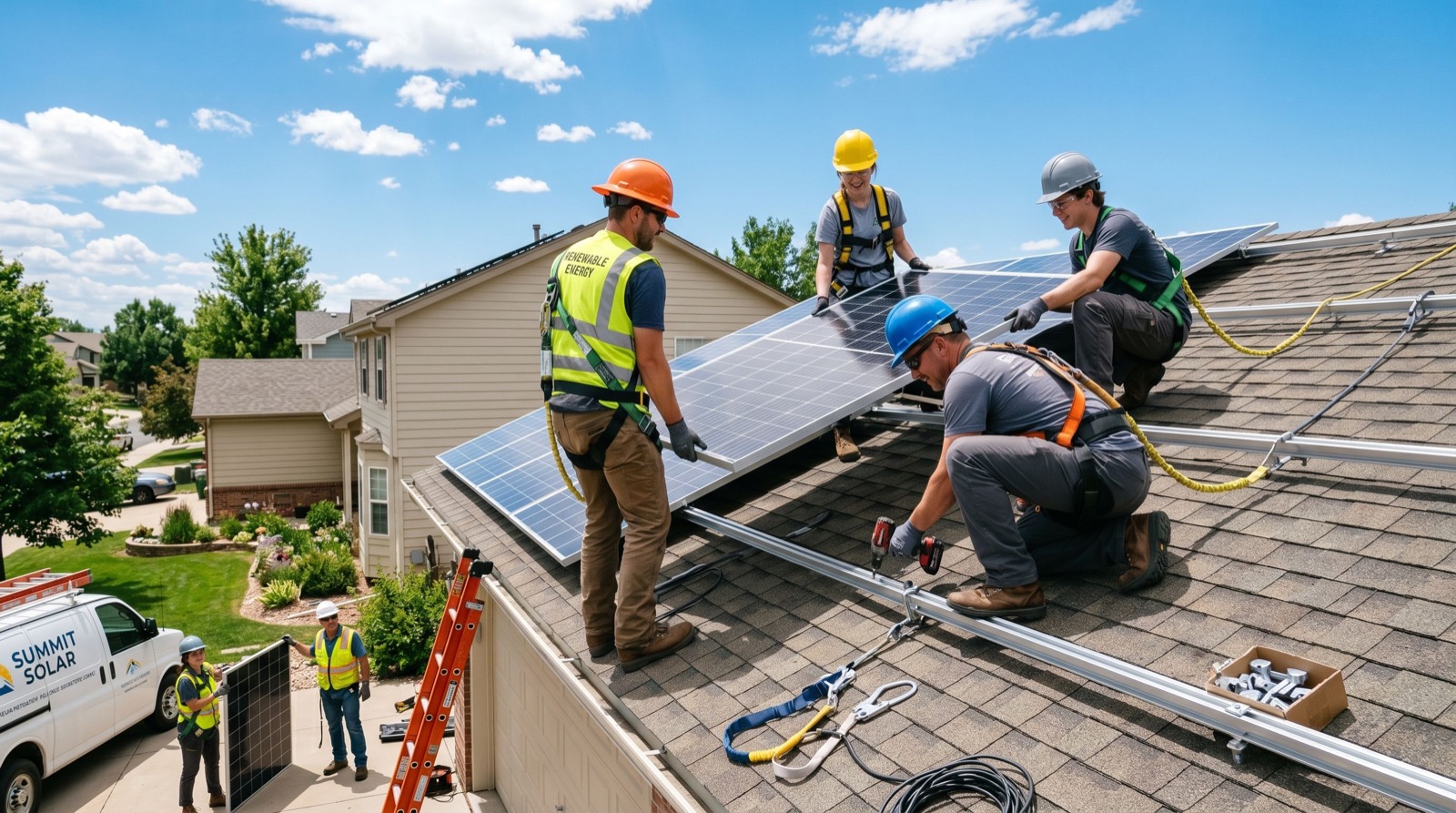
A professional installation follows a clear sequence. Understanding each stage helps you ask the right questions and spot corners being cut. Quality solar panels in Pakistan only perform when this process is followed properly.
- Site survey: The team inspects your roof, checks orientation, and measures shading.
- Load assessment: They review your electricity bills to size the system accurately.
- Design and quotation: You receive an itemised proposal with named components.
- Structure and mounting: Wind-rated rails are fixed to hold panels securely.
- Panel and inverter fitting: Modules are wired to the inverter and safety gear.
- Testing and commissioning: The system is checked for output and safety.
- Net-metering application: The installer files paperwork with the distribution company.
Professional solar installation in Lahore should include this full sequence, not just bolting panels to a roof and leaving.
Choosing the right system size
Sizing depends on your roof space and consumption. The table below gives realistic guidance for Lahore homes in 2026.
| System size | Roof space needed | Best suited for | Daily units (approx.) |
|---|---|---|---|
| 5kW | 300–350 sq ft | Mid-size home, 1–2 ACs | 22–26 units |
| 8kW | 500–560 sq ft | Larger home, 3 ACs | 35–42 units |
| 12kW | 750–850 sq ft | Big house or small office | 52–62 units |
Oversizing wastes money, while undersizing leaves you buying grid power. A proper load assessment prevents both mistakes.
What to prepare before installation day
- Clear the roof of clutter and old water tanks blocking sunlight.
- Keep recent electricity bills handy for accurate sizing.
- Confirm your roof structure can bear the panel weight.
- Ask about warranty documents for panels, inverter, and workmanship.
Choosing quality hardware for Lahore’s climate
Lahore’s summers are hot, and heat quietly reduces panel output. That makes the temperature coefficient on a panel’s datasheet genuinely important here. Modules with a lower coefficient lose less power on scorching afternoons, so they generate more across the year than cheaper panels rated only in ideal lab conditions.
Dust is the second local factor. Fine particles settle fast in the city, so panels with anti-reflective, easy-clean coatings hold their output better between washes. Pairing these with a hybrid inverter and lithium storage gives you both efficiency and reliable backup.
Components that suit local conditions
- Tier-1 panels: Certified modules with strong 25-year performance warranties.
- Hybrid inverter: Manages grid, solar, and battery in one unit.
- LiFePO4 battery: Long-lasting storage that shrugs off daily cycling.
- Wind-rated mounting: Aluminium rails that hold firm during summer storms.
Avoiding common installation mistakes
Many disappointing systems fail not because of bad panels but because of rushed installation. Skipping the site survey, using undersized cables, or mounting panels at the wrong tilt all cut output for years without an obvious cause.
Insist on a proper survey and an itemised quote before work begins. A trustworthy installer explains the tilt angle, cable sizing, and earthing rather than glossing over them. These details separate a system that performs from one that merely looks the part.
How long does solar installation in Lahore take?
The physical work on a typical home takes one to three days. Mounting the structure and wiring the inverter is quick for an experienced crew. The longer wait is net-metering approval, which can take several weeks as the distribution company processes the application and changes your meter.
Choosing an experienced local team speeds this up, because they know the paperwork and coordinate directly with the utility on your behalf.
Plan the timeline realistically. Book your installation before peak summer if you want the system live for the hottest, brightest months. Crews get busy from April onward, so an early booking secures both a slot and faster net-metering processing before the seasonal rush.
Net metering and approvals
Net metering, regulated by the National Electric Power Regulatory Authority, lets you export surplus daytime power to the grid and offset your bill. A good installer manages the entire application, from documentation to the final meter swap, so you avoid the bureaucratic runaround.
Frequently Asked Questions
How much does solar installation in Lahore cost in 2026?
Cost depends on system size, panel and inverter quality, and whether you add batteries. Check current quotes, but expect a mid-size 5kW system to pay for itself within three to five years through bill savings and net metering.
Do I need a battery for my Lahore home?
Not always. If your goal is bill reduction, a grid-tie system with net metering works well. If you want backup during load-shedding, add a hybrid inverter and lithium battery to keep essentials running.
Will solar work during Lahore’s cloudy monsoon days?
Panels still generate on cloudy days, just at reduced output. Net metering smooths this out by crediting the surplus you export on bright days against lower-generation periods.
How much maintenance does a rooftop system need?
Very little. Clean the panels twice a year to remove Lahore’s dust, keep the inverter ventilated, and check your monitoring app monthly for any drop in output.
Final thoughts
Solar installation in Lahore in 2026 rewards homeowners who plan carefully and hire skilled installers. Get a proper site survey, size the system to your real load, insist on Tier-1 hardware, and let professionals handle the net-metering paperwork. Follow those steps and your rooftop will deliver quiet, reliable savings against Lahore’s rising bills for the next two decades.